Photofacial Myths: Truths About Sun Damage and Age Spot Removal
If sun damage, redness, or age spots have left you self-conscious about your skin, you’re not alone. At Comprehensive Aesthetix, clients from Oceanside frequently ask about IPL Photofacial treatments—hoping to restore clear, even skin with minimal downtime. But in a world filled with Instagram glow-ups, it's easy to encounter unrealistic promises and lingering doubts: Does photofacial treatment really work for sun spots? Is it safe for all skin types? What results can I expect here in our local climate?
Getting honest answers means sorting myth from science. IPL (Intense Pulsed Light) photofacials, when performed by experienced medical professionals, can deliver transformative results. But to see lasting improvements and stay safe, patients deserve a realistic perspective grounded in how lasers interact with the skin—not just before-and-after hype.
In This Article:
1. What IPL Photofacials Really Do for Sun Damage
2. Why Results Vary: Skin Type, Sun Exposure, and Provider Experience
3. Common Overestimations and Honest Expectations for Age Spot Removal
4. Frequently Asked Questions
5. Honesty is Your Best Beauty Ally
What IPL Photofacials Really Do for Sun Damage
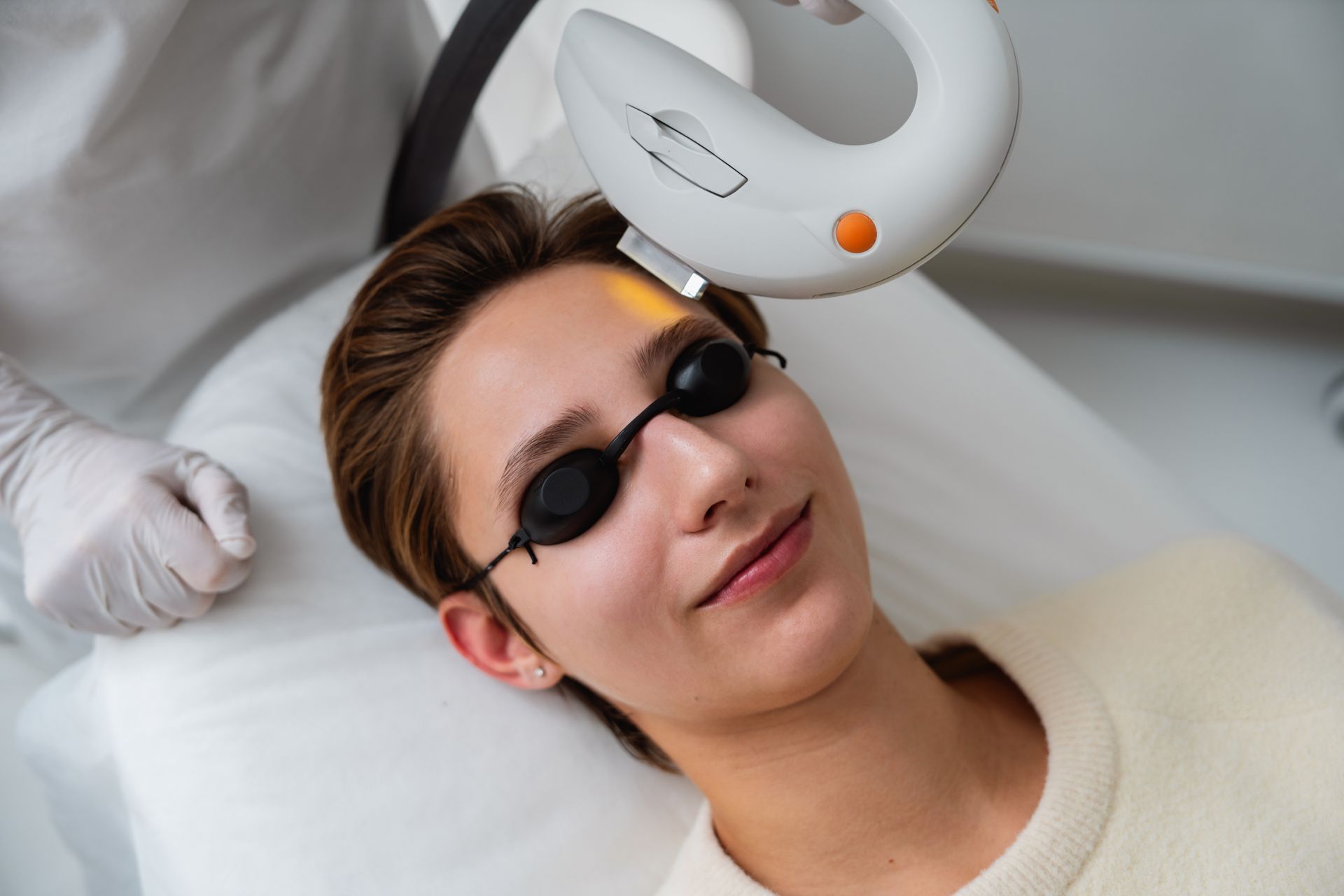
IPL photofacials use intense pulses of broad-spectrum light to gently target pigment irregularities and redness beneath the skin’s surface. Unlike ablative lasers, IPL does not remove layers of skin—instead, it heats and fragments excess melanin (the pigment responsible for brown spots and sun damage) or hemoglobin (behind redness and visible vessels) so your body can naturally clear them away in the weeks following treatment.
In Oceanside, many clients see a significant reduction in signs of chronic sun exposure—think patchy spots, uneven color, and broken capillaries. But while the results can be striking, it’s important to remember that IPL is a correction and not a complete reset. Active sun protection is still necessary after a session to lock in results and prevent new pigment from returning, especially in communities like ours where beach days and outdoor living are part of life year-round.
→ From a professional standpoint: IPL works by targeting color contrast. The greater the difference between unwanted pigment and your natural tone, the more dramatic the result.
Why Results Vary: Skin Type, Sun Exposure, and Provider Experience
Not everyone will see identical outcomes from IPL photofacial, and a key reason is individual skin biology. These devices are best suited for lighter skin tones (Fitzpatrick I-III), since the light energy can safely distinguish between excess pigment and natural skin. Darker skin tones require extra caution, as the risk for unwanted pigment changes or burns increases without specialized settings and experienced hands.
Local sun habits also matter. If you spend a lot of time outdoors in Oceanside, your skin may be more reactive or prone to new spots—which impacts how long your results last. Provider skill is perhaps the single biggest variable. IPL requires careful assessment, correct energy setting, and knowledge of underlying skin conditions—otherwise, risks like burns or inadequate clearing can occur.
→ A quick tip to remember: Always choose a provider who takes the time to match IPL technology and parameters to your unique skin characteristics.
Common Overestimations and Honest Expectations for Age Spot Removal
One of the most common misconceptions is that IPL photofacial results are instant or permanent. In reality, most patients require a series of treatments—often three to five sessions spaced a few weeks apart—to see maximal fading of brown spots, vascular lesions, and uneven tone. Some spots will darken and flake away within a week, while others may need multiple treatments for cumulative improvement.
Maintenance is key. Sunscreen, protective clothing, and gentle skin care after each session are critical to minimize the recurrence of pigment. It’s possible for some sun spots to return if sun exposure continues unchecked, or if underlying hormonal influences (such as melasma or pregnancy) are present.
Oceanside clients often bring this up in consultation: “Will all my freckles and sun spots disappear forever?” The honest answer is that while IPL photofacials can visibly clear and freshen sun-damaged skin, ongoing maintenance is the real foundation for lasting changes.
Frequently Asked Questions
How soon will I see real results after an IPL photofacial?
Most people notice some darkening of pigmented spots within a few days, which then flake off over the next week or so. Subtle redness may fade rapidly, but it often takes a series of treatments for optimal clarity. Your skin’s baseline health and your provider’s protocol can influence how quickly changes appear.
Is IPL photofacial safe for all skin types?
IPL is best suited for lighter to medium skin tones, as dark or tanned skin is at higher risk for burns or pigment changes if not treated with the right settings. Experienced med spas tailor their approach to your skin type and will recommend alternative options if IPL isn’t ideal for you.
Can I go back in the sun after IPL?
Direct sun exposure should be avoided for at least a week post-treatment, and broad-spectrum sunscreen is mandatory. Even after healing, UV protection is crucial to prolong your results and avoid undoing the benefits of your sessions.
Honesty is Your Best Beauty Ally
Deciding to treat sun damage and age spots with IPL photofacial is the first step toward the skin you want, but it’s only effective when you know what to expect and what you can influence. Partnering with experienced clinicians in Oceanside who practice transparency and take your unique skin history seriously means investing in both safety and results. Book your consultation when you’re ready to say goodbye to myths and take real, informed steps to clearer, healthier skin.
Share This Blog